We cleared the shelves, painted the walls white, and waited for the lightness to come. But sometimes, emptiness is just another noise. What if the antidote to more is not less — but enough?
We live in an age that worships more — more speed, more choice, more visibility, more possession. For a while, minimalism felt like the antidote. We decluttered our closets, banished ornament, and told ourselves that fewer things would mean more freedom. But something strange happened in those stripped‑back rooms: the emptiness began to feel as heavy as the clutter it replaced. A quiet, niggling question surfaced — Is this really it?
That question is where a deeper, more humane philosophy begins to stir. I call it the philosophy of enough — and it is not the same as minimalism. It does not ask you to shrink your life to a prescribed number of objects, nor does it equate spiritual growth with bare surfaces. Instead, it invites you into a far more delicate conversation: not about having less, but about understanding what, for you, is truly sufficient. It is a philosophy that does not empty a room, but teaches it to breathe. This is an exploration of that philosophy — a journey beyond minimalism philosophy and into the quiet architecture of enoughness.
What Is the Philosophy of Enough?
If you came here seeking an answer to what is the philosophy of enough, the simplest response is this: it is the slow, lifelong art of knowing when to stop. But that is deceptively simple. The philosophy of enough sets no external limit. It does not declare that you must own thirty‑three items of clothing or live in a tiny house. Rather, it turns your attention inward, toward a felt, almost bodily sense of sufficiency. It asks: At what point does this object, this commitment, this ambition cease to nourish me and begin to weigh me down? Where is the threshold beyond which ‘more’ becomes a thief of presence?
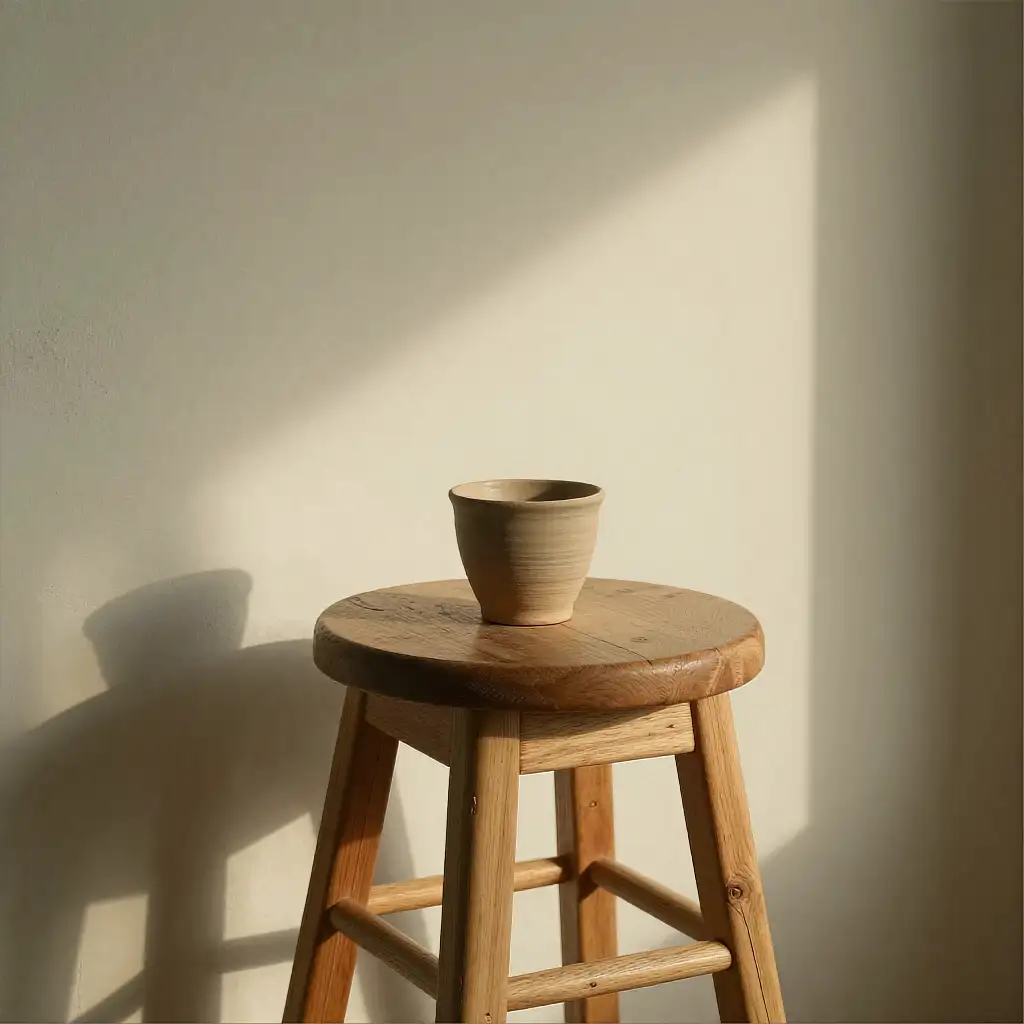
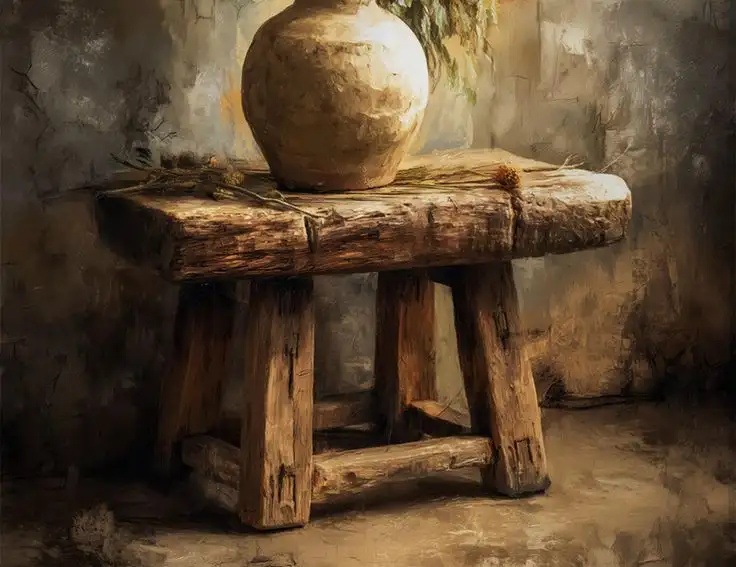
In the context of the home, enoughness feels like a room that has exhaled. The walls are not bare, but they hold space. Surfaces are not crowded, but they carry the weight of a few chosen things — a ceramic bowl with an uneven rim, a stack of books whose spines have softened with reading, a piece of lime‑washed wall that catches the afternoon light and returns it, gently, as a glow.
Beyond Minimalism Philosophy: From Deprivation to Wholeness
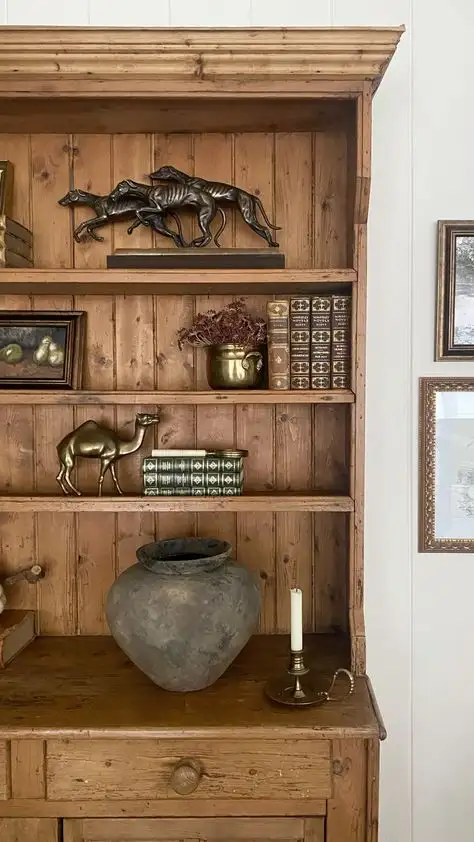
The mainstream minimalist movement, for all its good intentions, has often been preached with a kind of militant asceticism. It celebrated the empty room, the capsule wardrobe, the bare wall. And while there is undeniable beauty in restraint, something vital was frequently lost: the permission to love things — to keep the chipped teapot that belonged to a grandmother, to allow a room to hold a little of your own unruly, tender history.
Beyond minimalism philosophy is a move past that dogma. It recognises that pure reduction can become its own kind of obsession — a different way of measuring your worth, this time by what you don’t own. The philosophy of enough refuses that trade. It does not ask you to become a monk of nothingness. Instead, it asks you to become a curator of meaning, and in doing so, to treat your home as a living, breathing archive of a life sincerely lived.
Here, the question is no longer Does this spark joy? in a fleeting, momentary sense. It becomes something deeper, more rooted: Does this belong in the story I am trying to live? Is it part of my enough? A home shaped by enough is not a white box; it is a held breath, a sanctuary where the things that remain earn their place not by the absence of fault, but by the presence of purpose, memory, and texture.
Enough vs More: The Quiet Rebellion
We are all swimming in a culture of more. More notifications, more upgrades, more side hustles, more ways to optimize every waking hour. The logic of more is relentless because it has no finish line. There is always a better version, a newer model, a higher level of achievement — and the home, too, is sold this logic season after season.
The enough vs more philosophy is, at its heart, a quiet rebellion. It is the conscious decision to step off that infinite escalator, not because you have given up, but because you have chosen a different definition of beauty. In design terms, enough looks like a room that no longer strives to be finished, but settles into being whole. It is the difference between a river and a flood. A river is abundant, moving, alive — it carries exactly what it can hold within its banks. A flood is excess spilling destructively into spaces it was never meant to occupy.
To live with enough is to know the shape of your own banks. It is not stagnation; it is dynamic equilibrium. You can still dream, grow, and welcome new things — a hand‑thrown vase from a journey, a textile that carries the scent of a faraway workshop — but you receive them into a life that has room, rather than one already spilling over. This is not an argument against ambition. It is an argument against the kind of ambition that has no relationship to your actual hunger, that feeds only on comparison. Enough whispers: You can want, but let the wanting be true. Let it be worthy of your walls.
Sufficiency vs Minimalism Philosophy: Why ‘Less’ Is Not the Goal
It is easy to confuse sufficiency with minimalism, because both can result in fewer things. But the starting point is profoundly different, and that difference changes everything about the atmosphere of a room.
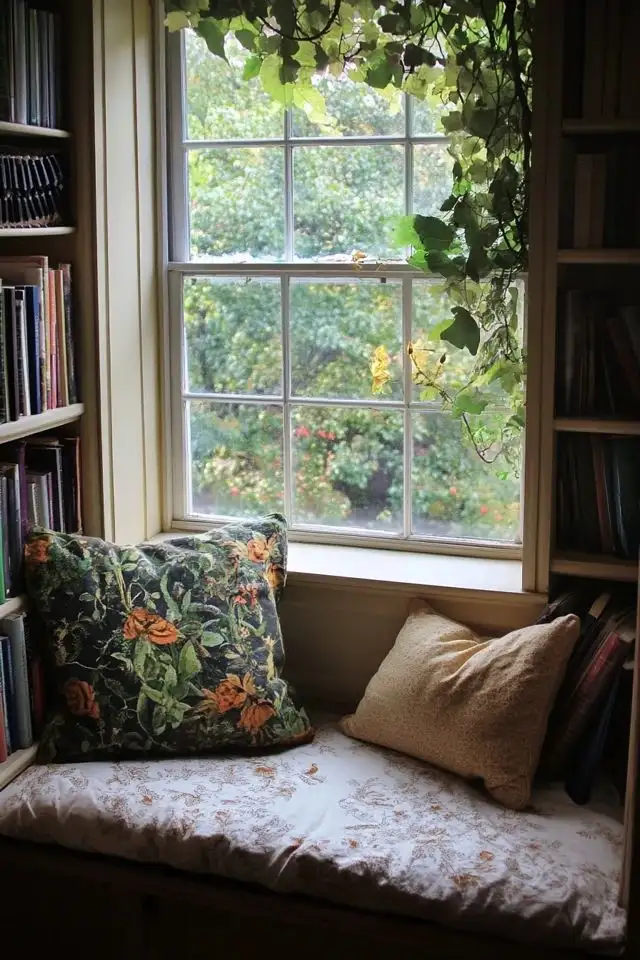
Sufficiency vs minimalism philosophy comes down to intention. Minimalism often begins with the object: Do I need this? Can I remove it? Sufficiency begins with the self — and with the life that unfolds in the space: What do I need to feel whole, to function with grace, to rest in the texture of my days? A minimalist might look at a bookshelf and see clutter to be pared down. A person practicing sufficiency looks at the same shelf and sees the shape of her inner life — the books that fed her, the objects that remind her of love, the space left open for the next curiosity. She might remove a few things, yes, but she might just as easily add one. Because sufficiency is not a number; it is a relationship.
This distinction is crucial for anyone designing a home beyond passing trends. The philosophy of enough is not a philosophy of less, but of just right. It allows for a life that is dense with meaning, even if it is spare in possessions. It allows for a home that is rich with the memory of lime plaster, the scent of aged wood, the soft fall of hand‑spun cotton, so long as none of these drown out the inhabitant’s ability to breathe. In a world obsessed with empty spaces, sufficiency makes room for the full heart.
Living the Enough Life: A Practice for the Home
How, then, do you begin to practice the philosophy of enough in the place you live?
Start not by decluttering, but by sitting still. In a moment of quiet — perhaps early morning, when the light is still milky — ask yourself: What do I already have that I am not truly using, not truly seeing? Where in my space do I feel stretched thin by too many objects, too many visual demands, too many things that ask for my attention? The answer will point you toward your own particular excess — and your own particular enough.
Then, make small, tender changes. You might institute a “one in, one out” practice, not as a rigid rule but as a way of maintaining equilibrium — like the breath, which gives and takes in equal measure. You might, for a month, buy nothing new for the home except what is necessary for nourishment, just to notice the impulse to acquire and what feeling it is trying to soothe. You might take one room and, instead of stripping it bare, ask each object: Do you help me become more present, or do you pull me away? Do you hold silence, or do you shout?
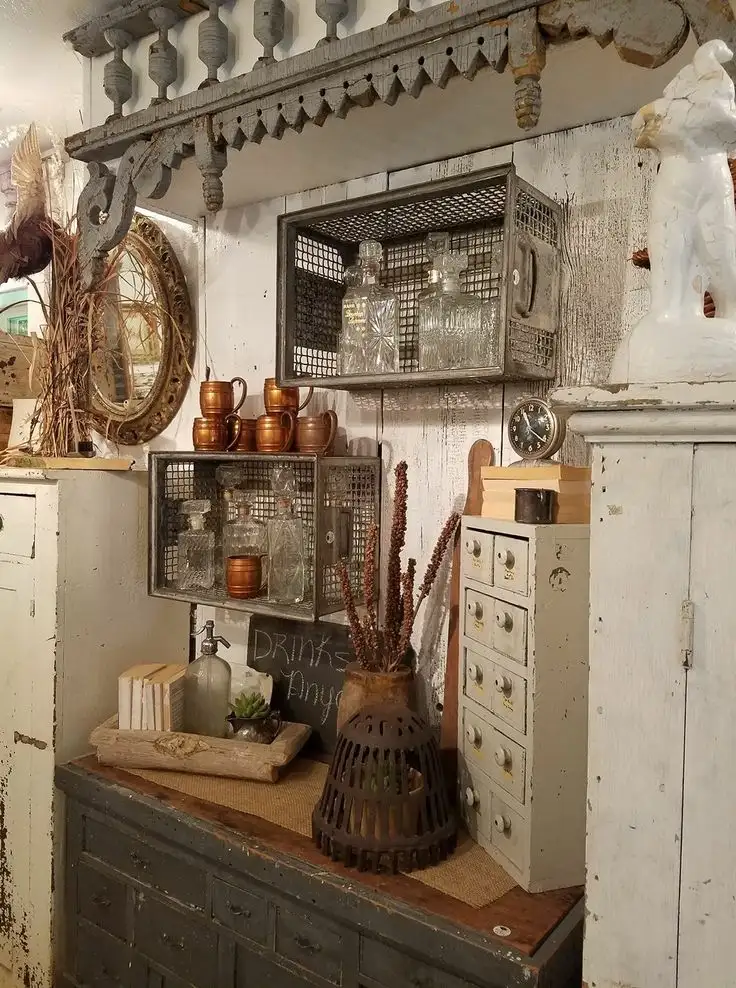
Seek out materials that age well, that carry their history with dignity — a jute rug that softens underfoot, a brass tray that darkens where hands have touched it, a lime‑washed wall that breathes with the humidity. Enoughness, in a home, is built as much from what you touch as from what you choose not to bring in.
The Grace of Enough
At its core, the philosophy of enough is a homecoming. It is the recognition that you are not a container to be emptied or filled, but a living being who needs space to breathe and substance to live by. In a world of more, enough is a radical act of self‑knowledge. It says: I know my limits, and I honour them. I know my hungers, and I feed them wisely. I know my walls, and I let them hold me, not confine me.
This is the territory beyond minimalism philosophy, where the walls are not bare, but simply quiet enough to let the light fall on what matters. It is the living answer to what is the philosophy of enough — not a set of instructions, but an invitation to listen, to choose, and to rest in the sufficiency of your own beautiful, bounded life. In a home that has found its enough, every surface, every object, every shaft of shadow becomes part of a single, unspoken affirmation: Here, I have what I need. Here, I am held.